admin
admin
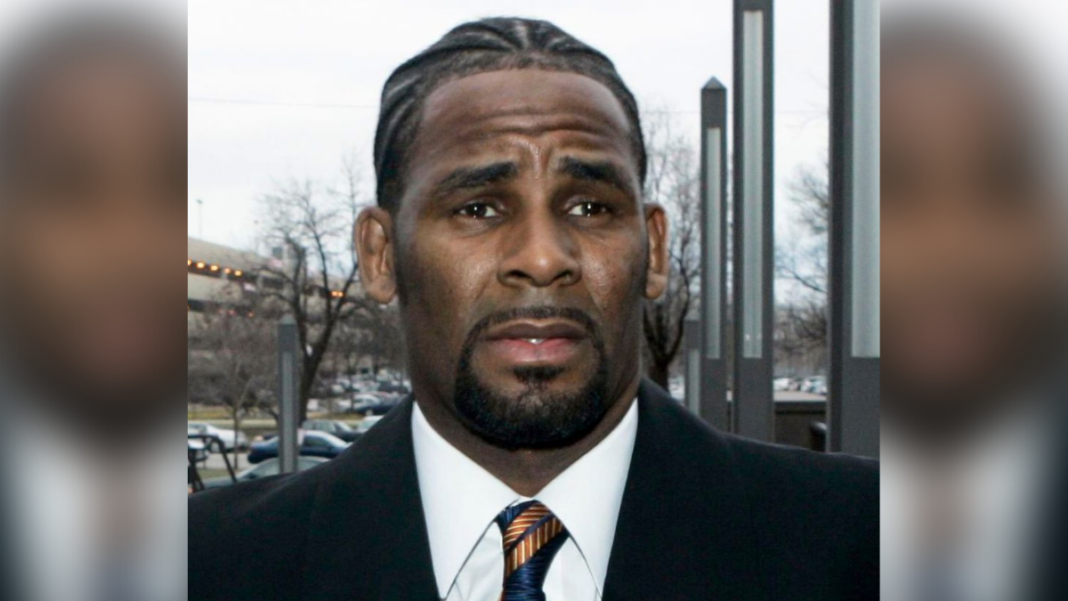
In a significant development regarding the legal troubles of R&B singer R. Kelly, criminal charges at the state level have been dropped. The decision came after the State Attorney’s office chose not to pursue further charges following Kelly’s federal conviction. The news has reignited discussions about the singer’s tumultuous history and the broader implications for the justice system.
R. Kelly, whose real name is Robert Sylvester Kelly, has been in the public eye for decades, both for his musical talents and for various legal battles, many of which center around allegations of sexual misconduct. His recent federal conviction marked a significant turning point, with many seeing it as long-awaited justice for his alleged victims.
The decision by the State Attorney’s office to drop additional charges raises a multitude of questions. Some legal analysts speculate that the federal conviction, which carries significant penalties, might have influenced the decision, making state charges redundant. Pursuing further charges could also be seen as a drain on resources, especially when the outcome of the federal trial is already so decisive.
However, this decision has been met with mixed reactions from the public. While some argue that Kelly’s federal conviction is sufficient and additional trials might be excessive, others believe that every alleged offense should be thoroughly examined and prosecuted to ensure complete justice for all victims.
For the alleged victims involved in the state cases, the decision could be disheartening. While the federal conviction covers several of R. Kelly’s alleged crimes, the dropping of state charges might leave some feeling their experiences remain unaddressed.
R. Kelly’s case, given its high-profile nature and the intense media scrutiny it has received, serves as a focal point for broader discussions about the justice system, celebrity influence, and the challenges victims face in sexual misconduct cases. His federal conviction was seen by many as a victory for victims and a sign that even powerful figures can be held accountable.
As the implications of the dropped state charges continue to unfold, they will undoubtedly fuel further conversations about how the justice system handles cases involving celebrities, the prioritization of cases, and the balance between federal and state jurisdictions in ensuring justice for victims.