admin
admin
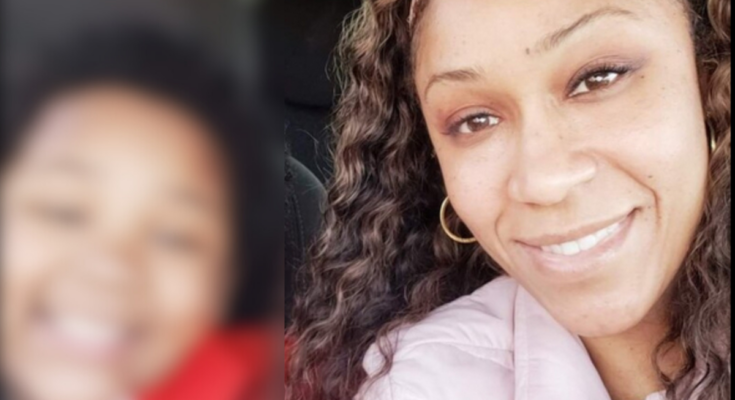
The tragic story of Quiana Mann, the mother who was killed by her 10-year-old son, has been a topic of national heartbreak and discussion.
Amidst the tragedy, however, there is a glimmer of hope and honor. Quiana was recently posthumously awarded a Master’s degree, a testament to her dedication to education and personal growth.
Quiana Mann’s dedication to her studies was well-known among her peers and professors. She had been tirelessly working towards her Master’s degree, balancing her academic commitments with the responsibilities of motherhood. The recognition of her efforts, even after her untimely death, speaks volumes about her commitment and the impact she had on those around her.
The decision to award her posthumously was met with widespread support. Faculty, students, and staff felt it was a fitting way to honor Quiana’s memory and her dedication to her studies. The degree serves as a lasting tribute to her efforts and the legacy she leaves behind.
The circumstances of her death remain a painful topic. The shocking news that her 10-year-old son was responsible added an additional layer of complexity and sorrow to an already tragic situation. Communities, educators, and mental health professionals have grappled with understanding how such a tragic event could occur, leading to discussions about early intervention, mental health support for children, and the challenges many families face in seeking help.
Quiana’s posthumous degree is more than just a piece of paper. It stands as a symbol of her resilience, her dedication to bettering herself, and her commitment to her future. For her family and friends, it’s a tangible representation of Quiana’s dreams and aspirations, even if she’s not here to celebrate the achievement herself.
The ceremony to award Quiana’s degree was undoubtedly bittersweet. While attendees celebrated her accomplishments, the shadow of her absence was palpable. Still, in moments of profound grief, such gestures of recognition and honor provide a measure of comfort.
Quiana Mann’s story is a poignant reminder of the fragility of life and the unseen challenges many families face. As communities reflect on her life and the tragic circumstances of her death, the hope is that more resources, understanding, and support will be directed towards helping families navigate the complexities of mental health and interpersonal challenges. Her posthumous degree serves as a beacon, illuminating both her personal achievements and the broader issues society must address.