admin
admin
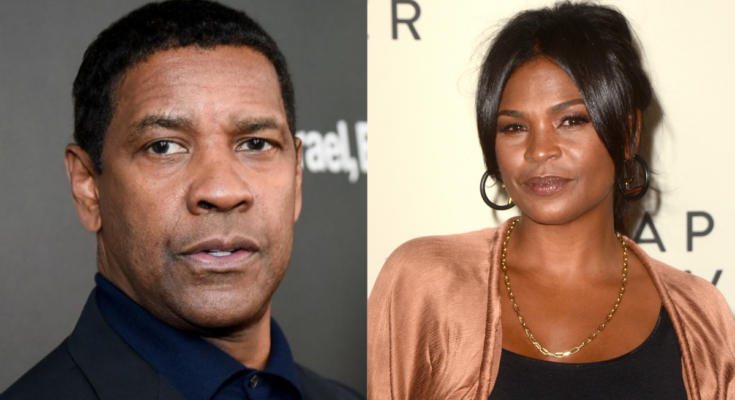
Nia Long, a talented actress with a career spanning decades, recently shed light on a disheartening experience from her past. Despite her proven ability and success, she was once told that she “doesn’t have the look” to star opposite the legendary Denzel Washington in a film.
Such revelations not only highlight Long’s personal journey but also touch upon broader issues of representation, beauty standards, and biases within the entertainment industry.
Nia Long’s body of work, which includes roles in iconic films and TV shows, attests to her versatility and skill as an actress. Given her credentials, the feedback about not having “the look” to star alongside Denzel Washington is startling. This statement speaks to the often rigid and narrow beauty standards that actresses, especially those of color, have historically confronted in Hollywood.
Denzel Washington, an icon in his own right, has starred opposite various leading ladies throughout his illustrious career. The idea that Long might not fit a particular aesthetic or mold as his co-star raises questions about what that “look” entails and who gets to define it.
This incident with Long is indicative of the challenges many actors and actresses face, where their talent and capability are sometimes overshadowed by superficial criteria. For women in the industry, especially women of color, these challenges can be further amplified. They often grapple with not just their acting skills but also with how their appearance aligns with deeply entrenched standards of beauty and acceptability.
Reactions to Nia Long’s revelation have been overwhelmingly supportive. Fans and fellow artists have expressed their disbelief and frustration, with many highlighting the need for continued change and progress in the entertainment industry. Conversations around representation, inclusivity, and dismantling biased standards have gained momentum in recent years, and Long’s experience adds a compelling voice to the mix.
Such discussions are essential for effecting change. By sharing her experience, Nia Long not only sheds light on her personal journey but also contributes to a larger dialogue about evolving and broadening the definition of beauty in Hollywood and beyond.
As the entertainment industry continues to grapple with these issues, stories like Long’s serve as reminders of the work that remains. The hope is that talent – and not biased, narrow standards – becomes the defining criterion for opportunities and recognition.